by Quintin Oliver
“Free libraries maintained by the people are cradles of democracy; and their spread can never fail to extend and strengthen the democratic idea, the equality of the citizen.”
Reading this quote from Andrew Carnegie, the famous Scots-American philanthropist, you could be fooled into imagining him to be a left-leaning, progressive, egalitarian; in part he was, as he debated the duties of the ultra-wealthy to society.
“He who dies rich, dies thus disgraced” was another mantra, justifying his massive distribution of wealth after becoming the richest person on the planet when he sold his steel empire to J. P. Morgan for half a billion dollars. He explained to his daughter Margaret “I will not burden you with my wealth”, as he embarked on the extraordinary adventure of endowing 2,500 free public libraries across the English-speaking world, as “palaces for the people”.
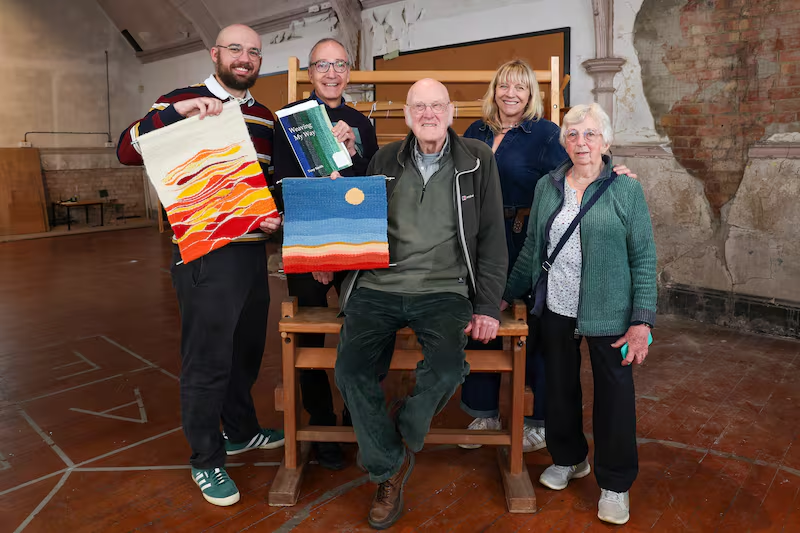
Born in Dunfermline, Fife, the young Carnegie helped his father William in the home weaving business he ran, but mechanisation transformed the craft, turning the woven products into commodities quickly made in factories and mills. They sold their loom to pay for passage to the US, in 1848, but ironically Andrew took his first job in just such a mill in Pittsburgh, as a ‘Bobbin Boy’, the entry role for needy teens.
Once a week, on a Saturday afternoon, local businessman Colonel Anderson allowed workers to enter his private library to borrow a single tome. This, Carnegie later reports, opened his mind, broadened his horizons and animated his aspiration to better himself.
Thereafter ensued a ruthless business career, selling steel to fuel the railroads across the American continent; vertical integration followed, as he bought up the steel mills, rather than buying from them; then to obviate borrowing went to Wall Street to dabble in finance, as he pivoted to providing the girders for skyscrapers. He was a tough anti-union, unforgiving boss, driving his workers to despair as his profits boomed. The ‘Homestead’ strike, when his manager Clay Frick called in the Pinkertons to bust the picket lines caused many deaths; the devastating 1889 Johnston dam flood, through the negligence of the South Fork Fishing and Hunting Club of which he was a central figure, further damaged his reputation.
What stimulated his shift from robber baron alongside Astor, Rockefeller, Frick, Vanderbilt and others to pioneer ‘Giving while Living’?
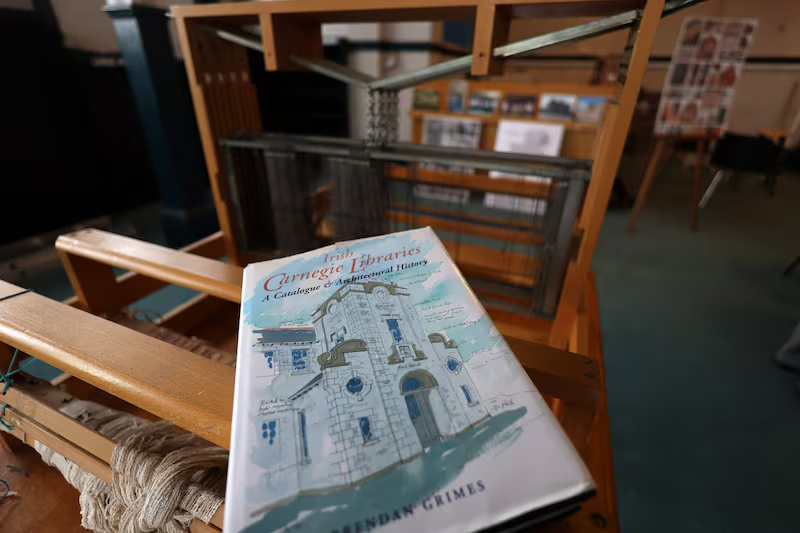
While in no way a religious devotee – he donated 7,000 church organs to liven up the dull and dreary services of his native Church of Scotland – he was clearly what we would now call a ‘Cultural Protestant’ of the frugal and never-ending-work-ethic type; his 1889 ‘Gospel of Wealth’ remains a powerful testimony on the role of the rich and successful in the public space. It was not a socialism in the sense that he had no desire for more state functions, more taxation, more public services – he concentrated on his role as a man of riches and experience and the consequential duties, if only to avoid dynastic wealth and control.
“The taste for reading is one of the most precious possessions of life” drove him to connect his early library experience, with his own love of the word, and thereby to the free public library as its most meaningful expression; he envisaged the working person using their hands, but neglecting their minds if they had no access to a library.
“There is no use to which money can be applied so productive of good…as the founding of a public library”.
His approach to the distribution of his millions was both free market, but also interconnected to the state; he invited applications from local entities – councils, corporations, municipalities, reading groups, local dignitaries – assessed their need by population and poverty, and then the floodgates poured; he rejected fripperies in design (no clocktowers, no external railings, no excessive ornamentation), but insisted on their providing the land, and signing up to the Libraries Act to levy a farthing on the rates to ensure sustainability.
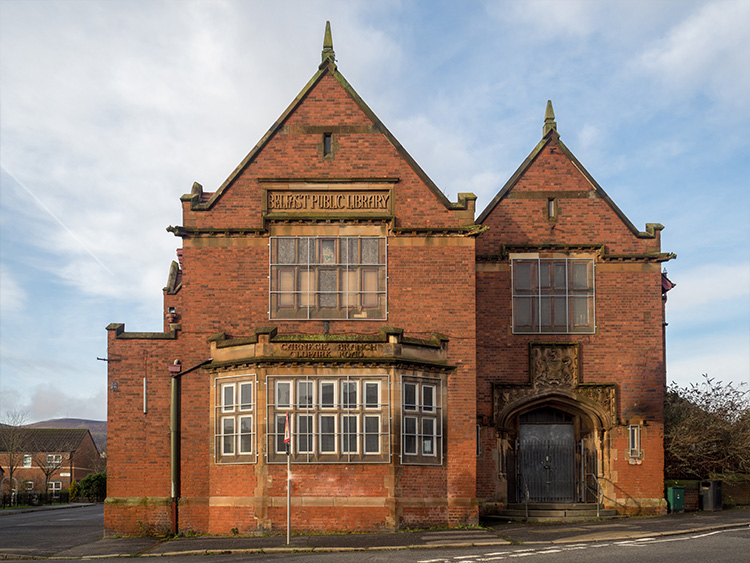
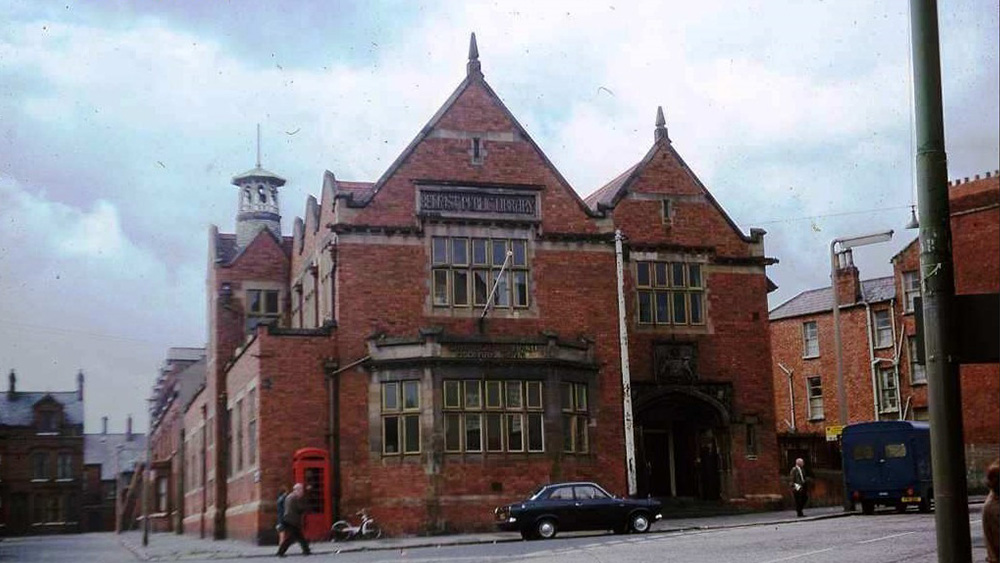
Over half his gifts remain as free public libraries over a century later, many as adaptive, transformational centres of community activity having adjusted to changing demographics, technology and social habits; others are repurposed as arts centres, museums, community hubs, offices and health facilities.
His legacy also persists through various Carnegie Foundations, Councils and Trusts to which he gifted the residue of his immense cash pile, and via his stupendous Peace Palace in The Hague, his failed attempt to prevent the First World War, now occupied by the UN International Court of Justice, and a fine library, of course.
“The result of my own study of the question, ‘What is the best gift which can be given to a community?’ is that a free library occupies the first place.”