by Diana Bradley
I have spent much of my working life believing in the power of libraries. Not simply as places where books are kept, but as places where lives can be changed, confidence can grow, and communities can come together. Having worked in public libraries, children’s services and now in a secondary school library, I have seen how important these spaces are, and how much we stand to lose when we undervalue them.
For me, a library has never been just about borrowing books. It is about access, opportunity and belonging. It is about a child discovering a story that makes them fall in love with reading, a teenager finding somewhere they feel comfortable, an adult learning something new, or someone who might be lonely finding a reason to leave the house and connect with others. Libraries offer something increasingly rare in our society: a space where you do not have to spend money to be welcome.
Public libraries are an essential part of a healthy community. They provide access to knowledge, information, education and culture, regardless of someone’s background or financial circumstances. They support children whose homes may not have books, adults who need help navigating an increasingly complicated digital world, and people who simply need somewhere safe, warm and welcoming to spend time. They can host reading groups, community meetings, educational activities and conversations that bring people together. Their value cannot be measured by the number of books borrowed alone.
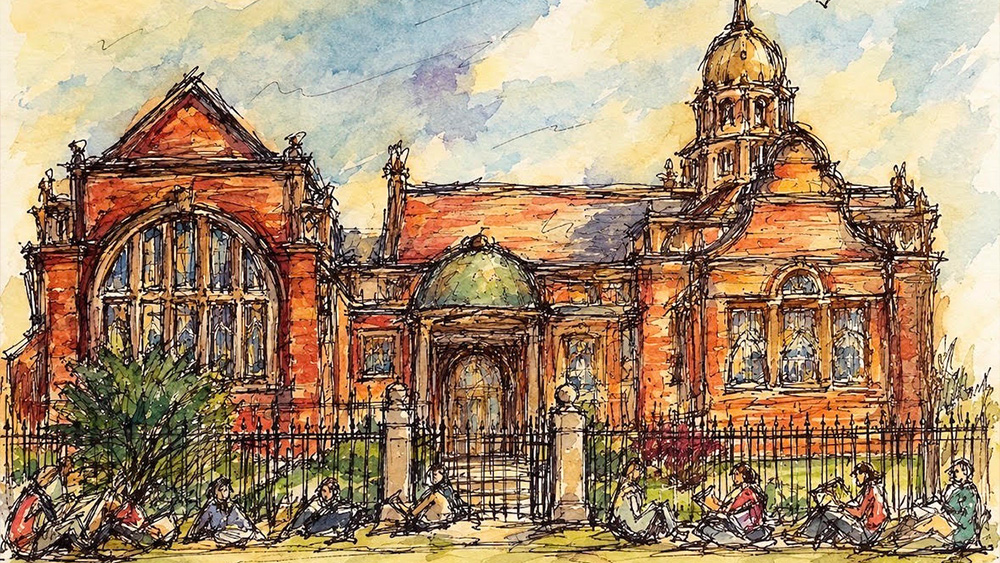
It genuinely saddens me to see beautiful library buildings neglected, closed or left to deteriorate. These buildings are often part of a community’s history and identity. They represent an investment made by previous generations in the belief that education and knowledge should belong to everyone. When we allow them to fall into disrepair, we risk losing not just a building, but an opportunity to serve the people who live around it. Surely, at a time when communities face loneliness, inequality and declining opportunities, we should be looking at how to bring these spaces back to life, rather than allowing them to disappear.
My work in a secondary school library has reinforced these beliefs. In a community where access to books and a culture of reading cannot be taken for granted, a school library can make a profound difference. It can introduce young people to experiences beyond their immediate surroundings, help them develop empathy and imagination, and give them the confidence to explore ideas and form their own opinions. Reading for pleasure is not a luxury or an optional extra. It can support language development, academic achievement, emotional understanding and a lifelong curiosity about the world.
But a library needs to be more than a room full of shelves. It needs to be alive. It needs people who champion reading, build relationships, listen to their community and create opportunities for everyone to participate. It needs investment, support and recognition from those making decisions about education and public services.
I believe passionately that libraries are about social justice. They help level the playing field by making knowledge, stories and opportunities accessible to all. They remind us that everyone deserves the chance to learn, imagine and belong.
If we want stronger communities, we must invest in the places that bring people together and open doors to opportunity. Libraries have always done that. We should be finding new ways to help them do even more.