It can be difficult to imagine 250 years ago but most teenagers and adults can remember how different things were, say, 10 years ago. Those in their middle years might have total recall of something from 40, 50 or 60 years ago. The very oldest people in our communities might have been somewhere memorable 90 years ago. So if you imagine casting your mind back to five different books or events 10, 40, 50, 60 and 90 years ago, then add them up, that will give you 250 years of distance. Has the world changed that much? Has Olney or any of its surrounding villages? Other combinations of anniversaries are available in this game of throwing darts to reach an historic target, measuring in ‘book-years’.
Every adult can remember the Brexit referendum in 2016. But when you review what happened, can you recall much about the arguments, as opposed to the slogans? Did you read about whose side God was on, for instance?
Has anything happened in these ten years to change your mind about Brexit, in any direction? What else has happened in this short space of time – the pandemic and lockdown, Russia invading Ukraine, the Hamas attacks and Israel’s response, two US Presidential elections, several UK Prime Ministers, the students’ uprising of the summer of 2024 in Bangladesh, the transformation of Addis Ababa since 2020, the USA returning to the Moon and beyond? Imagine how much has changed in 25 times these past 10 years! And yet we can still learn from these two 250th anniversaries this summer, learning about Olney, the Moon and the values of America.
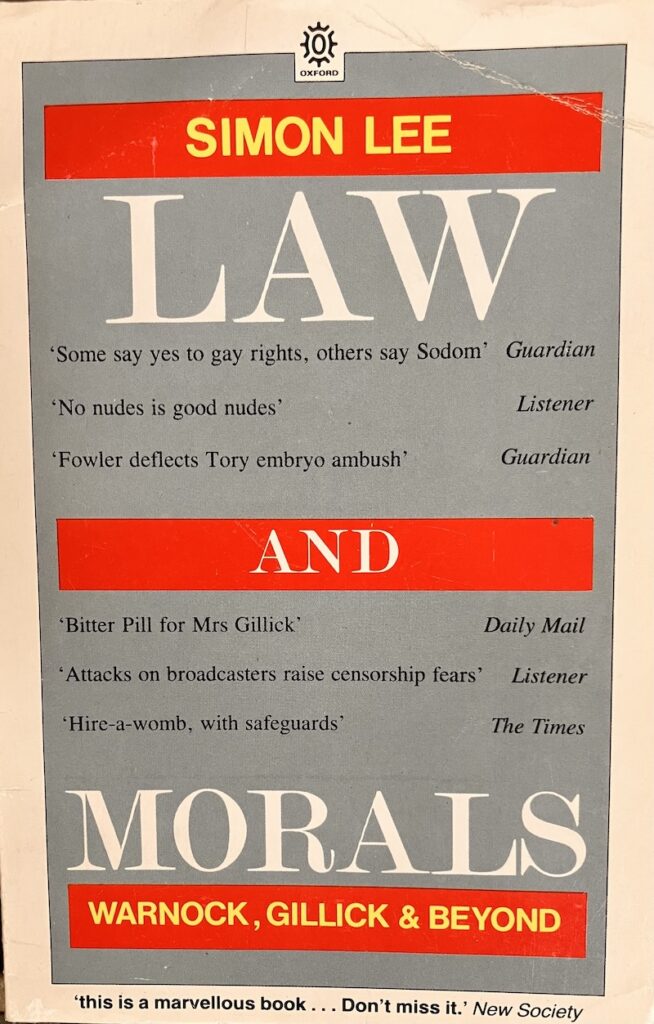
As this is the Olney Review of Books, I will go next to a more personal memory, of my first book being published by Oxford University Press in 1986. It was called Law & Morals. As it was reprinted later that year, the covers could show some of the reviews. The sub-title ‘Warnock, Gillick and Beyond‘ will remind people my age of the topical issues of medical law and ethics 40 years ago: IVF, surrogacy, informed consent, whether teenagers could be given contraception by doctors without parental consent. What topics would you choose now: AI, trans, net zero, outlawing smoking and vaping, banning knives in public spaces, banning social media for under-16s?
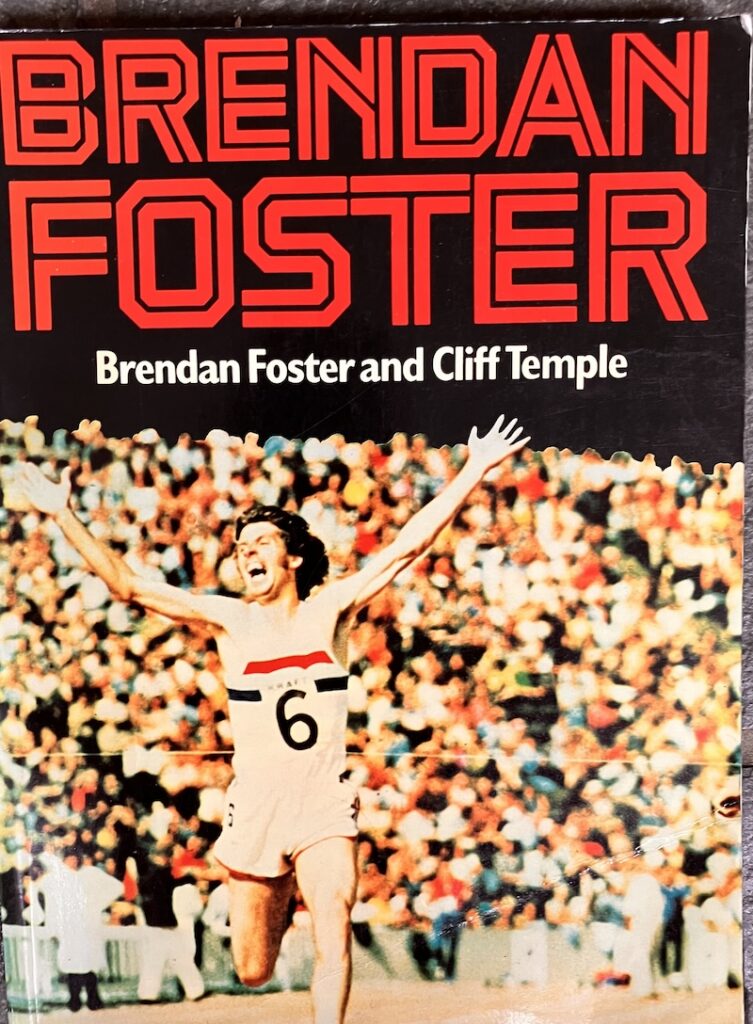
Ten years before that, everyone knows that 1976 was a very hot summer. One of my heroes, Sir Brendan Foster, was the only British track or field athlete, male or female, to win a medal at the Montreal 1976 Olympics, Bronze in the 10,000 metres. I was about to go to university later that year. I loved his book, written with Cliff Temple, reflecting on that experience, and we as a family have enjoyed his Great North Run, a hugely influential innovation in mass participation in both fitness and the raising of funds, and awareness of, charities.
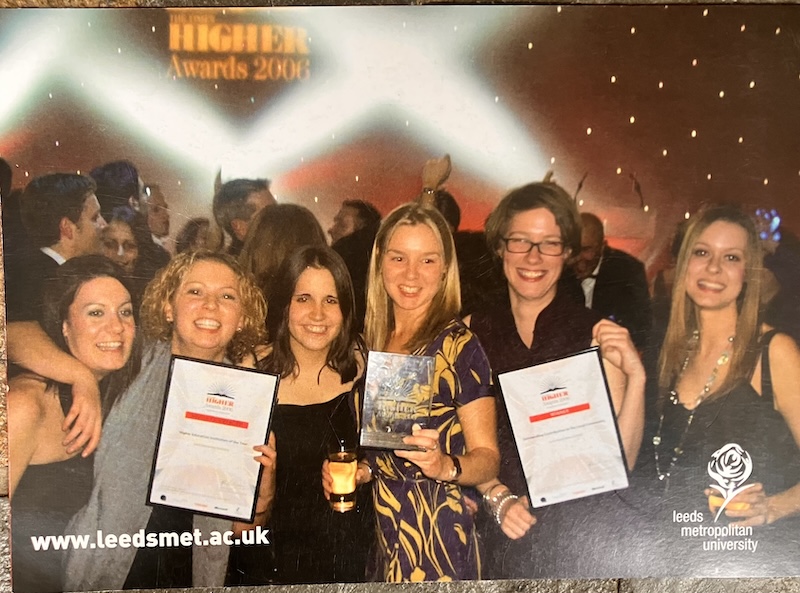
Thirty years after his Olympic medal, Brendan Foster was Chancellor and I was Vice-Chancellor of the university where he took his Post-Graduate Certificate in Education, Leeds Met, known in sporting circles as Carnegie. We went to the Times Higher awards ceremony where we won ‘Outstanding Contribution of a University to a Local Community’ for our partnership-working with Bradford City FC and its Muslim neighbours in Manningham, but we were disappointed to come second in the overall 2006 ‘University of the Year’ competition. Brendan Foster, our only Olympic medal-winning athlete in 1976 told me to cheer up as, ‘It’s always better to come away with a medal!’ By the time we got back to Yorkshire from London, we had set up a gold and silver themed party for our students to celebrate these two medals. And the rest is history.
A further ten years earlier, everyone knows that England won football’s World Cup at Wembley on 30th July 1966.
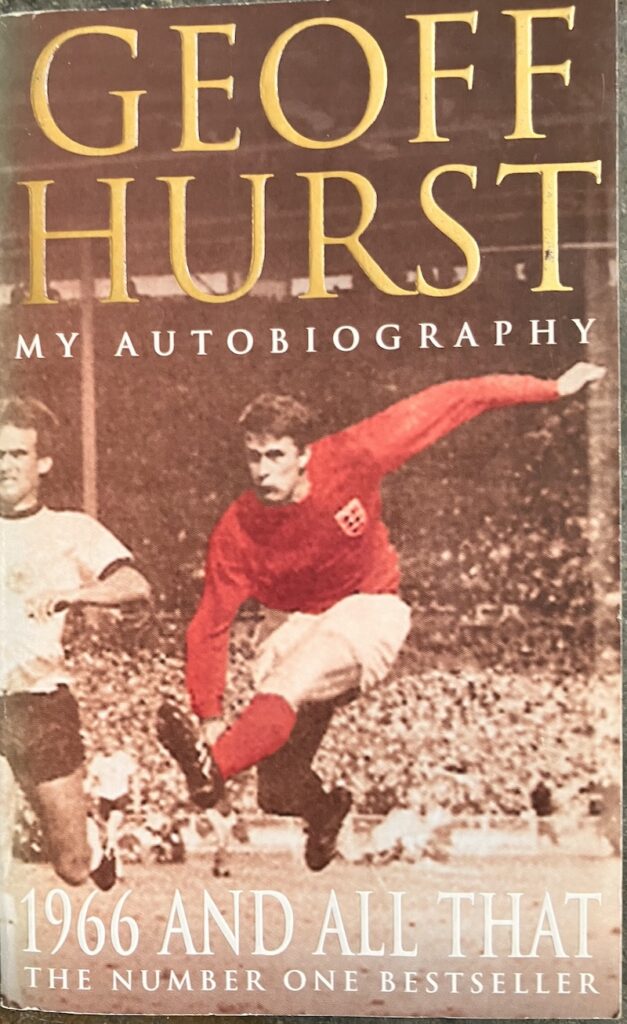
But no single book, even by the wonderful striker who scored a hat-trick in the Final, can tell the whole story.
When the other goal-scorer in England’s 4-2 win over Germany was the man of the match against Scotland a couple of years later, scoring the only goal of that game, Sir Alf Ramsey, the England manager, said that Martin Peters was ‘ten years ahead of his time’. That phrase has stuck with me whenever I or others have been pioneering anything or otherwise taking a risk. At least, people say it when a project turns out well. Again, it’s all about timing. I think that Sir Alf meant that Martin Peters was versatile, could play in any position, and had a knack of turning up unexpectedly in the right place just when the team needed a lift.
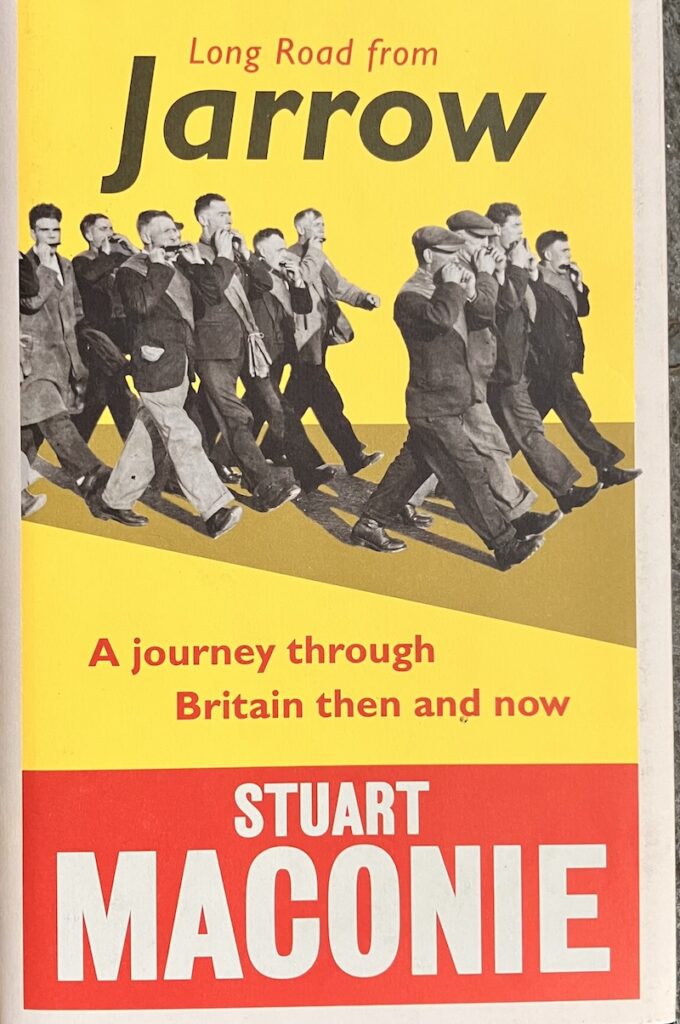
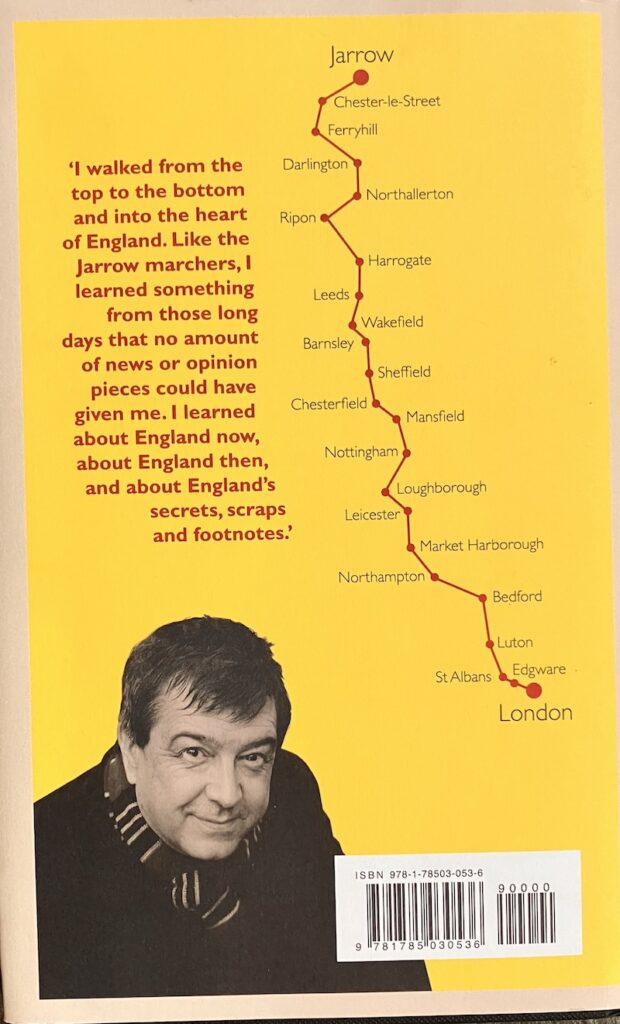
Which brings us, as this is the Olney Review of Books launching in 2026, to a surprising fact, that the surrounding villages saw history being made in 1936 when the Jarrow March came from Northampton to Bedford via Yardley Hastings and Lavendon, as recorded in Stuart Maconie’s book, Long Road from Jarrow: A journey through Britain then and now.
Which in turn brings us through five anniversaries cumulatively to 250 years ago here in Olney, across the Atlantic and out there in space.